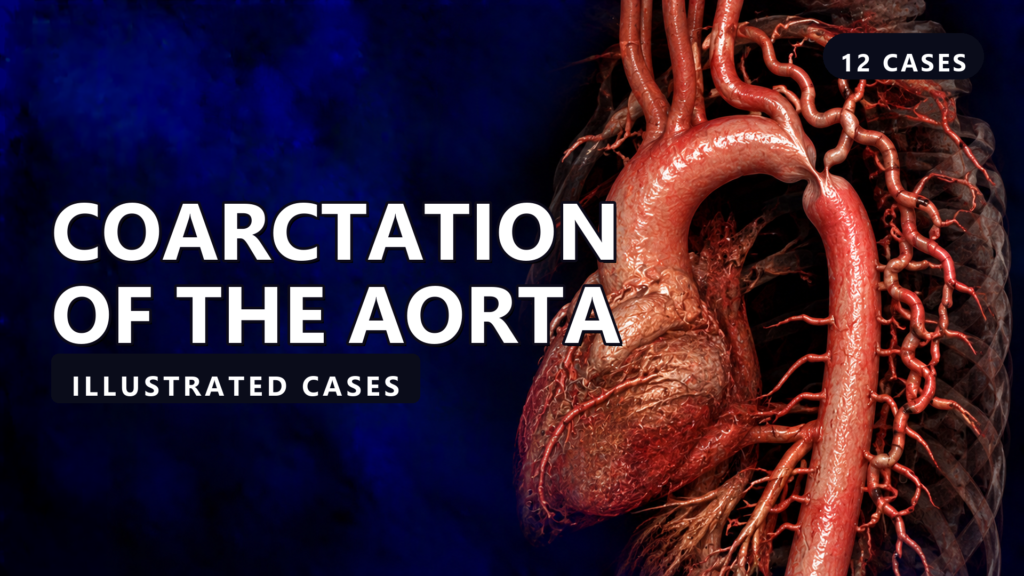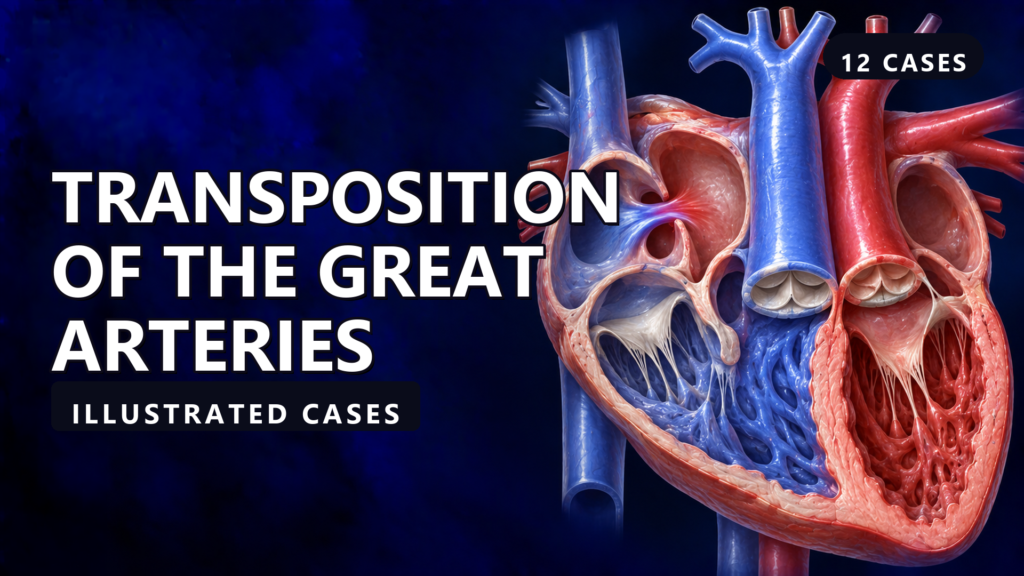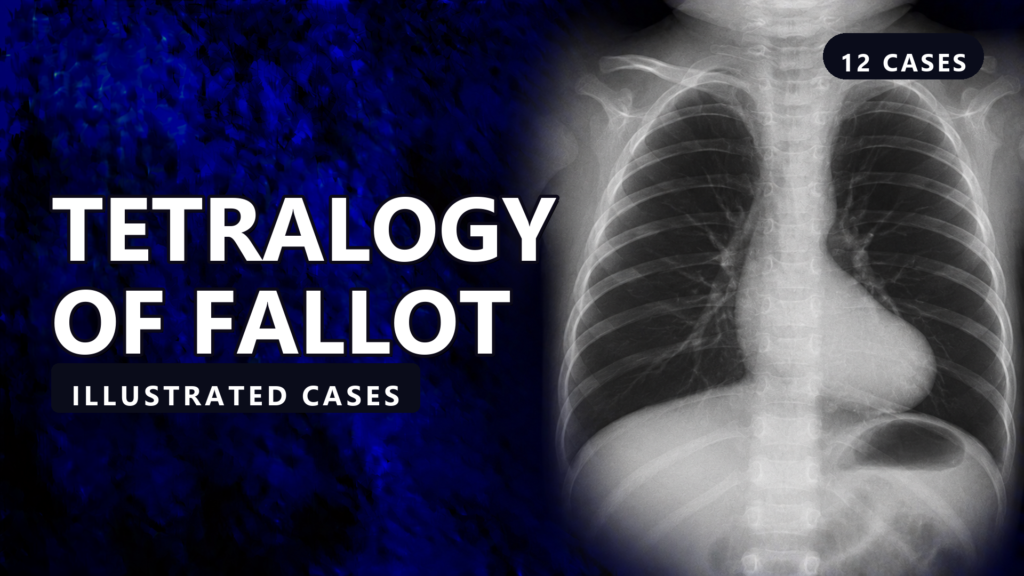
Cardiology Cases
Pediatric cardiology is a small part of the paediatric curriculum and a large share of what trainees get wrong. The reason is that the stems rarely ask for a diagnosis outright. They give you a cyanotic newborn, a murmur in a well child, or a collapsed infant on day four, and ask what you do next — and the answer turns on physiology you either have at your fingertips or you do not.
Three decision points carry most of the marks. The first is duct-dependent circulation: any newborn who deteriorates as the duct closes needs prostaglandin before anything else, and a septic screen, a fluid bolus and intubation all look like plausible alternatives. The second is separating the innocent murmur from the pathological one — soft, systolic, symptom-free, and varying with position is innocent; diastolic, continuous, harsh, or accompanied by an abnormal second sound is not. The third is the tachycardia algorithm: narrow or broad, stable or unstable, vagal manoeuvres, adenosine, or synchronised cardioversion, in that order and no other.
The decks below work through those decisions one case at a time. Each gives you a clinical vignette and four options, then the correct answer with an explanation of why each of the other three fails — which is where the teaching actually is, because the distractors are the mistakes this topic most often invites.
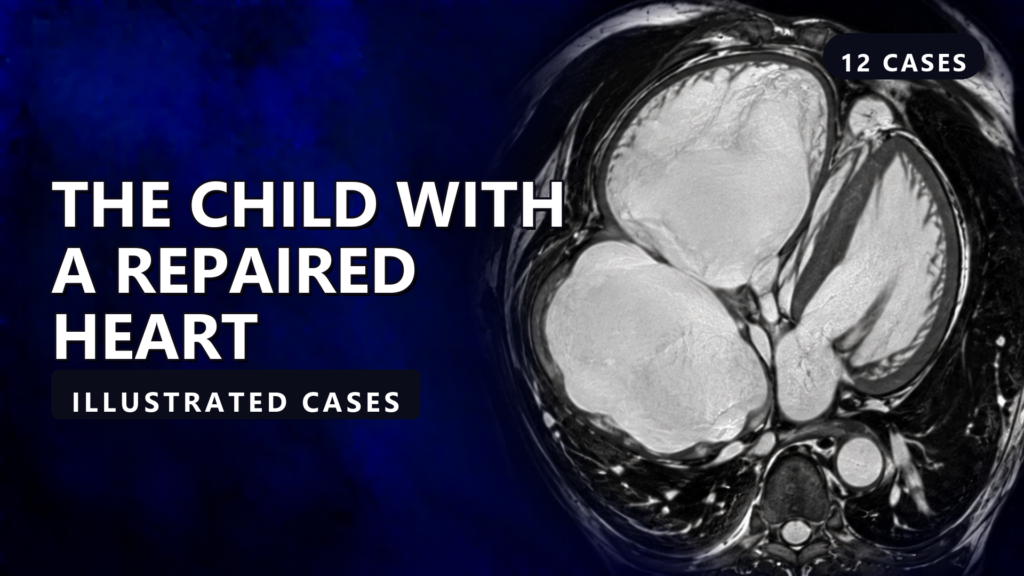
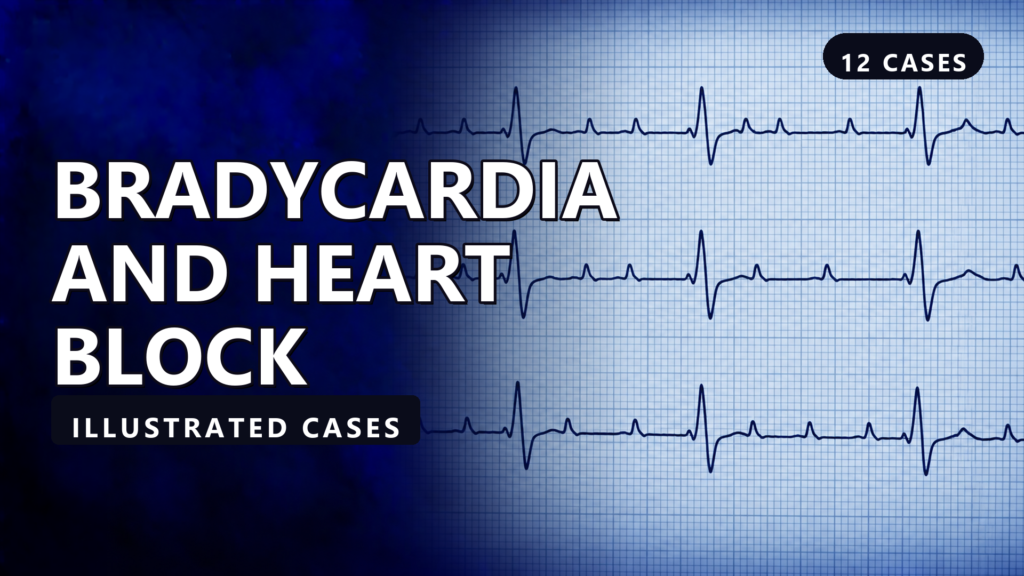
Start with the murmur in a well child and the duct-dependent newborn if you are working from scratch. Come back to the arrhythmia, syncope and repaired-heart decks in the last fortnight, since those are the ones that reward recognition rather than reasoning.
Normal ranges for heart rate and blood pressure move with age and are quoted in almost every cardiology stem — they are collected on the pediatric reference values page, and open inside each deck with the values used by that question highlighted.