Genetics & Metabolic Cases
Inborn errors of metabolism frighten candidates more than they should. The exam does not expect you to know every enzyme. It expects you to recognise a metabolic presentation, take the right first samples, and start the right emergency treatment before the diagnosis is confirmed.
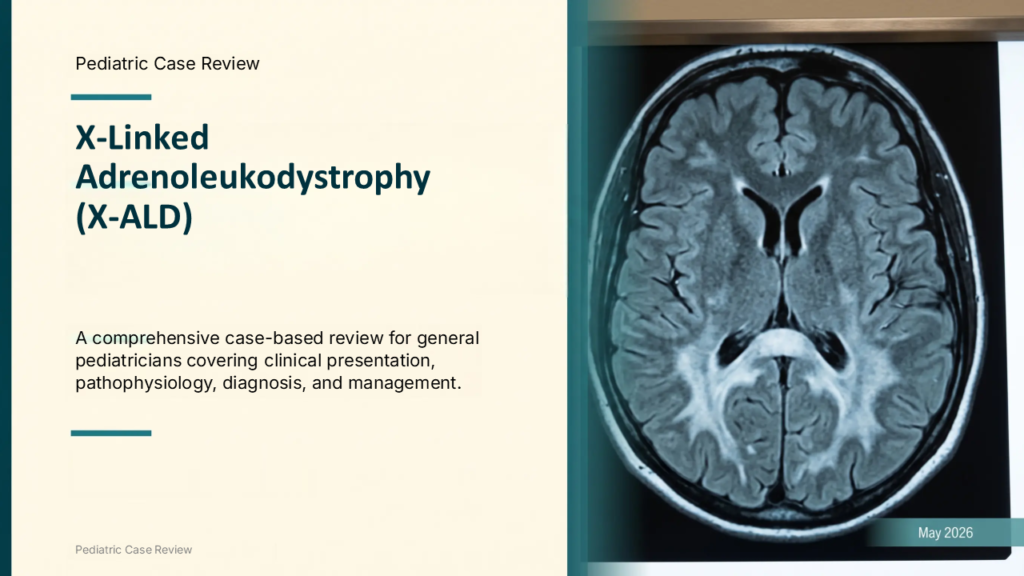
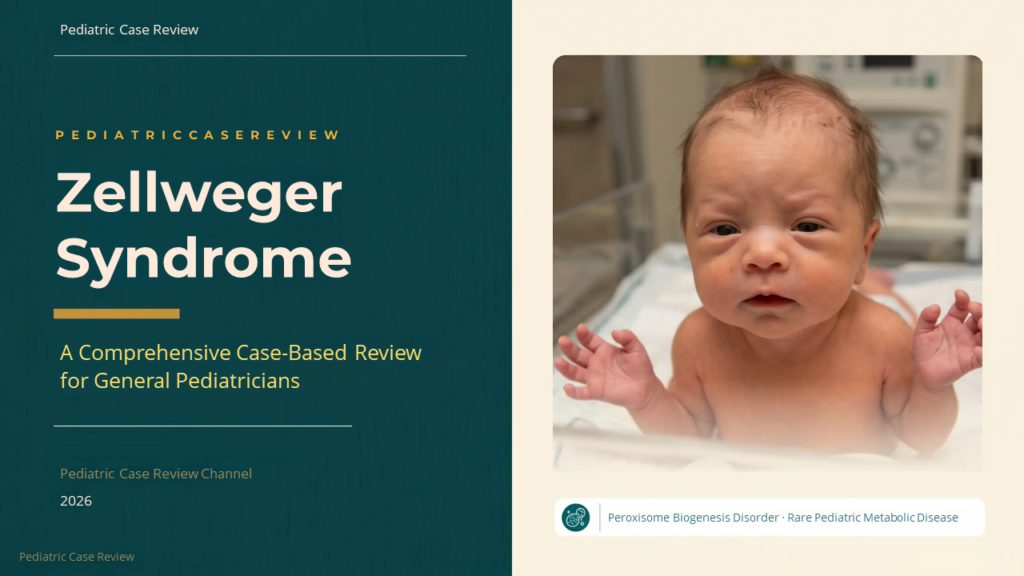
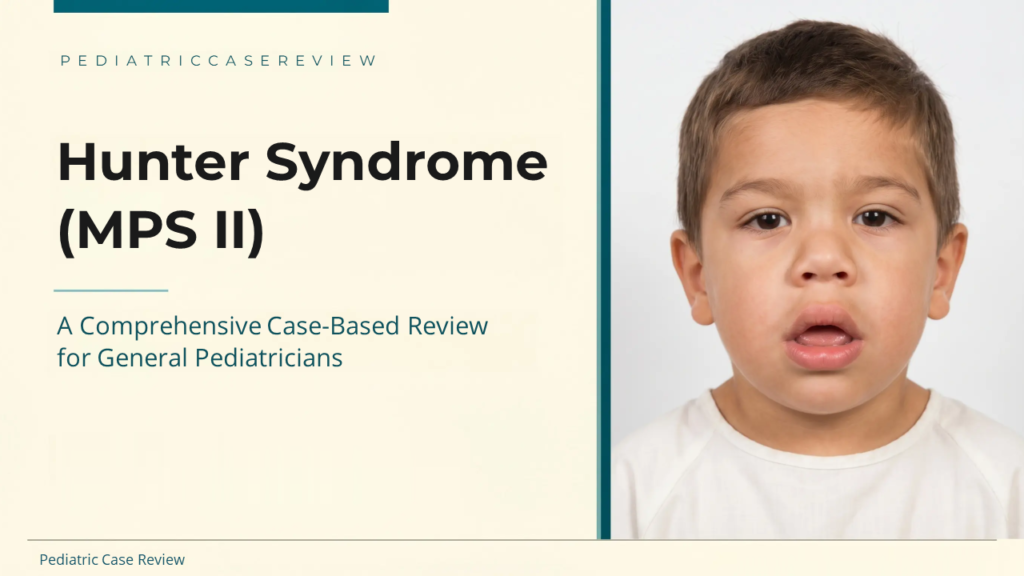
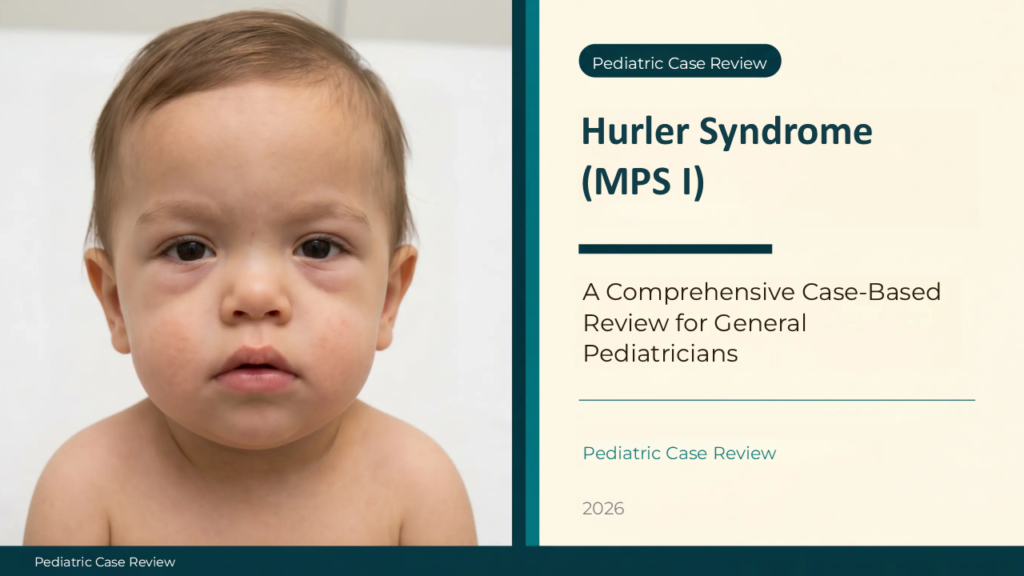
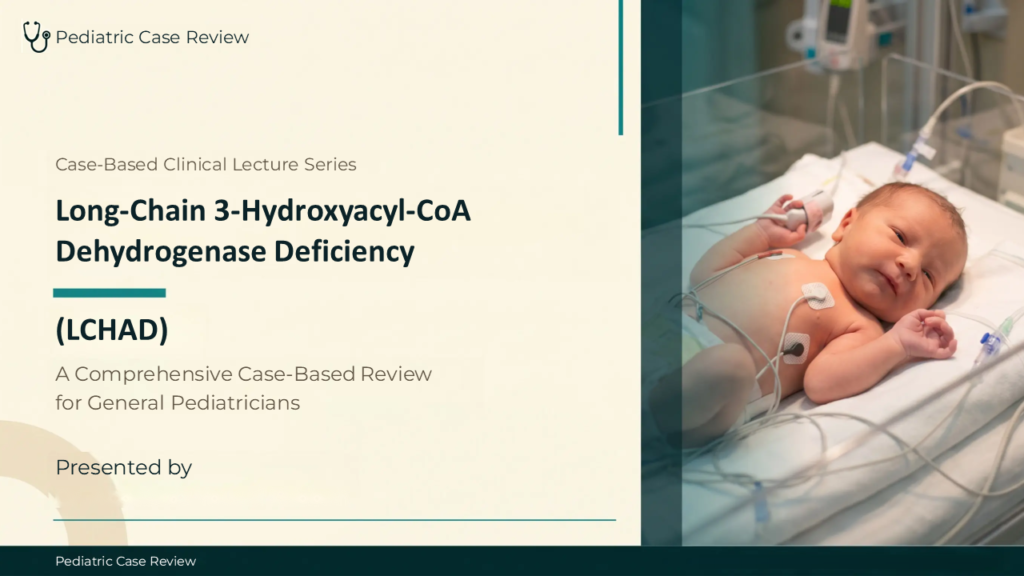
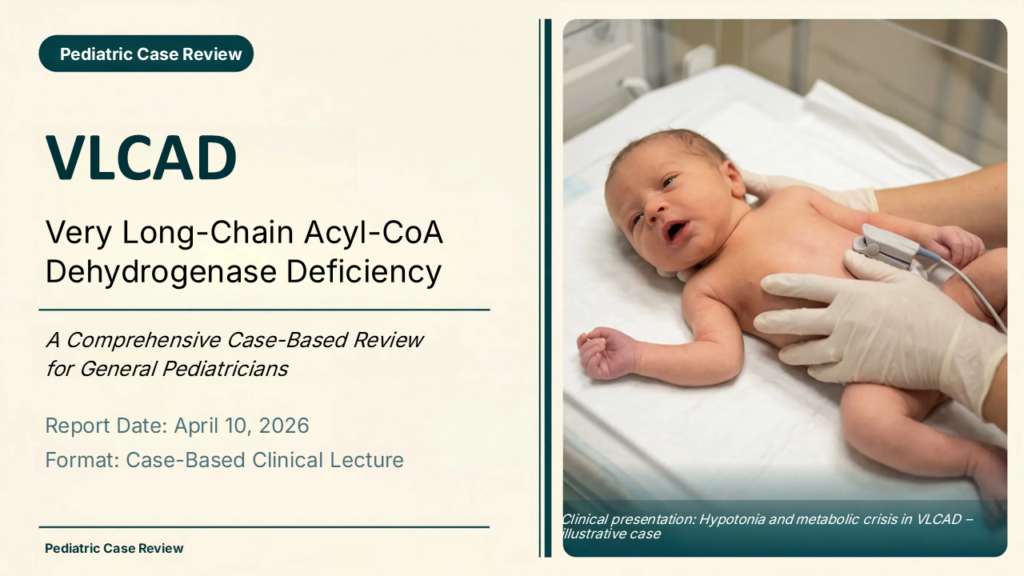
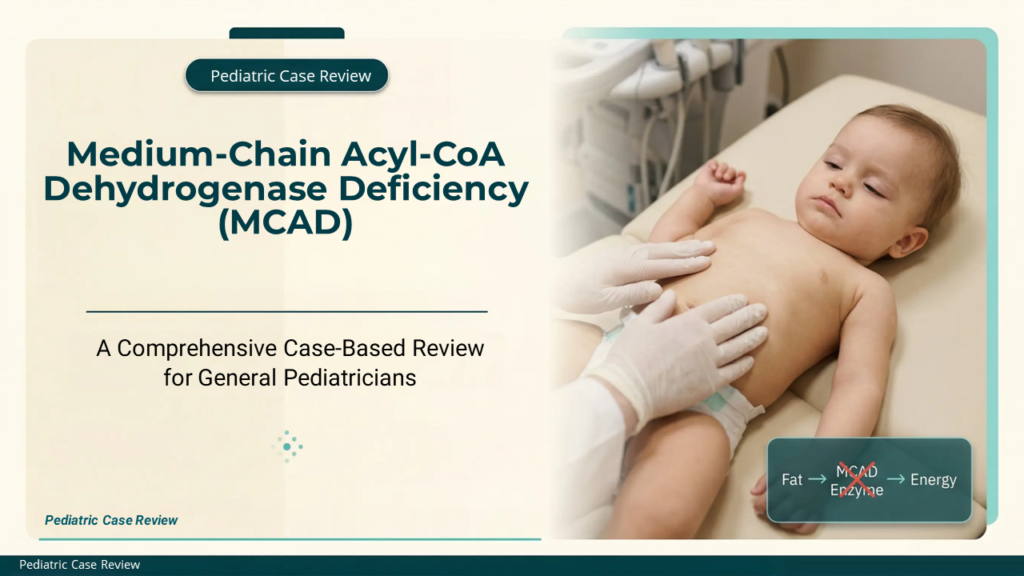
Almost every question rests on one of four patterns. A previously well newborn who deteriorates after feeding starts, with a metabolic acidosis and a high anion gap, is an organic acidaemia. The same picture with a respiratory alkalosis and a high ammonia is a urea cycle defect until proven otherwise. Hypoglycaemia without ketones, after a period of fasting, is a fatty acid oxidation defect. And a child with coarse features, organomegaly and progressive regression is a storage disorder.
The emergency management is the same across most of them and is heavily examined: stop protein, give high-concentration dextrose, and take the samples before you treat — ammonia, gas, glucose, lactate, ketones, amino acids, acylcarnitines, urine organic acids. The exam will offer you an MRI, a lumbar puncture or a genetics referral as the next step. They are all wrong at that moment.
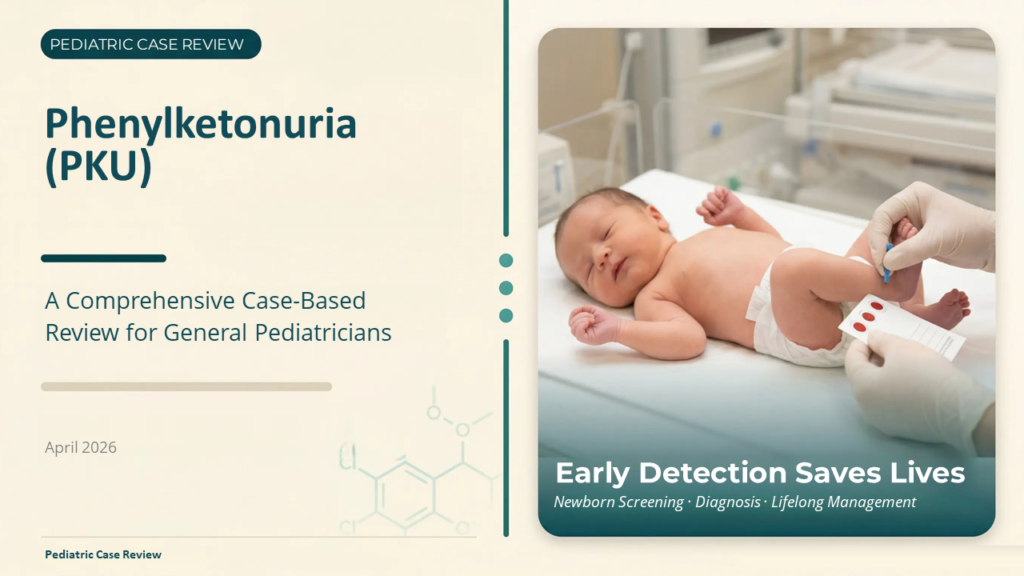
The third examined theme is newborn screening: which conditions are screened, what a positive screen obliges you to do that day, and the ones that present before the result comes back.
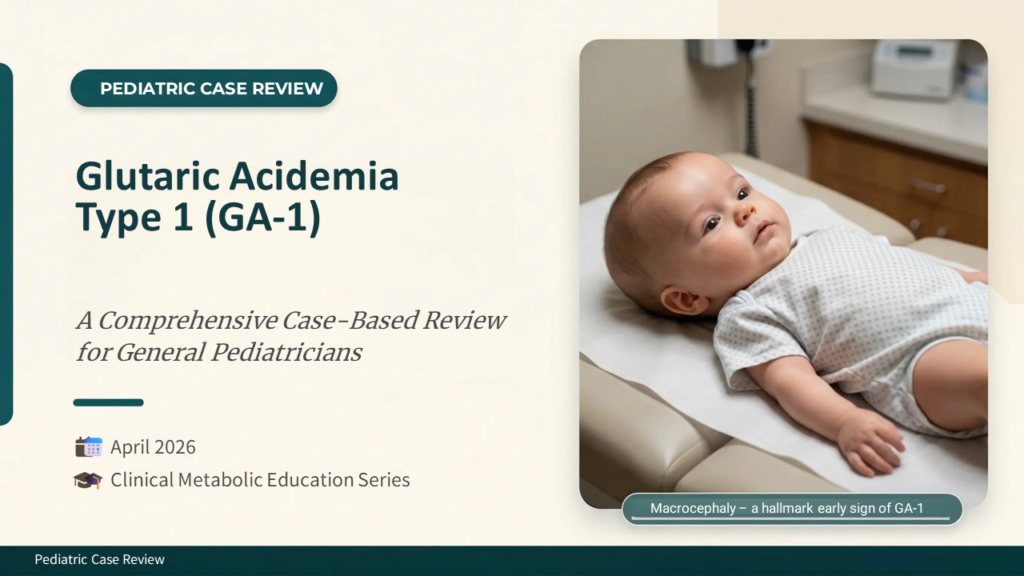
The decks below cover the individual disorders as board-format cases with worked explanations. Reference values for ammonia, lactate, glucose and blood gases are on the pediatric reference values page and inside each deck.