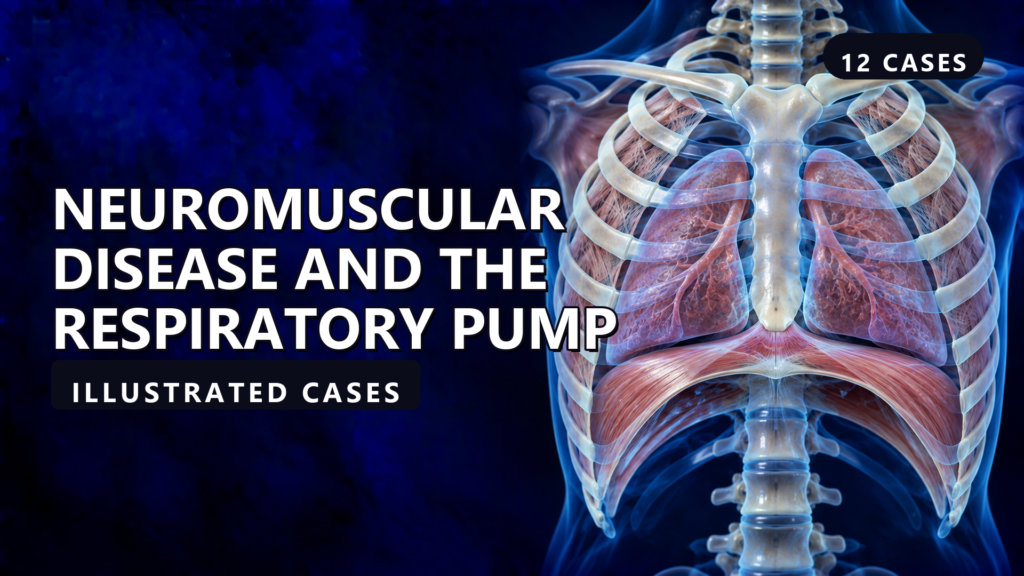
Respiratory Cases
Respiratory medicine is one of the highest-yield systems in paediatric exam preparation, alongside gastroenterology, and the topics cluster tightly. Wheeze, stridor, and the child who is working too hard to breathe account for most of them.
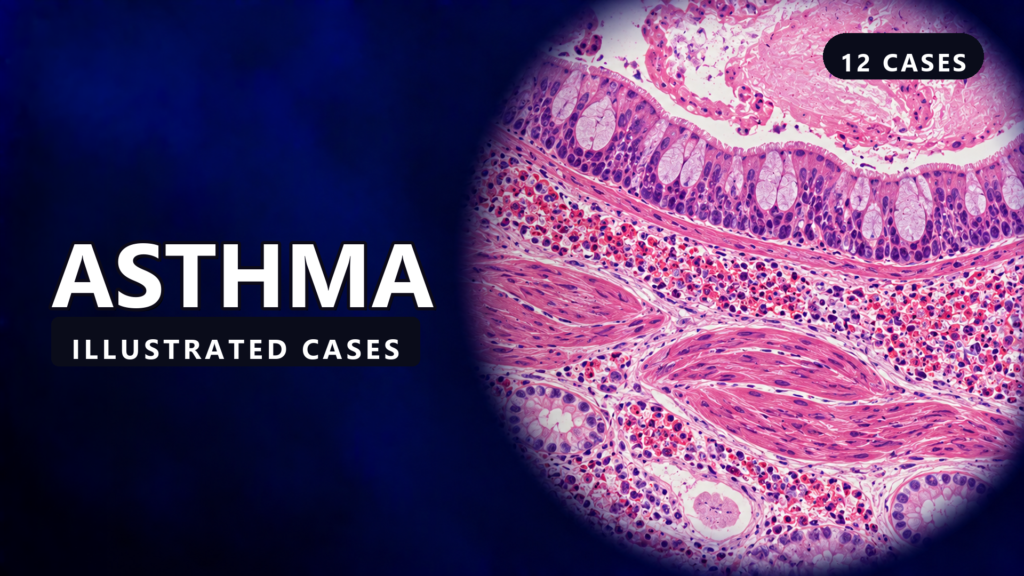
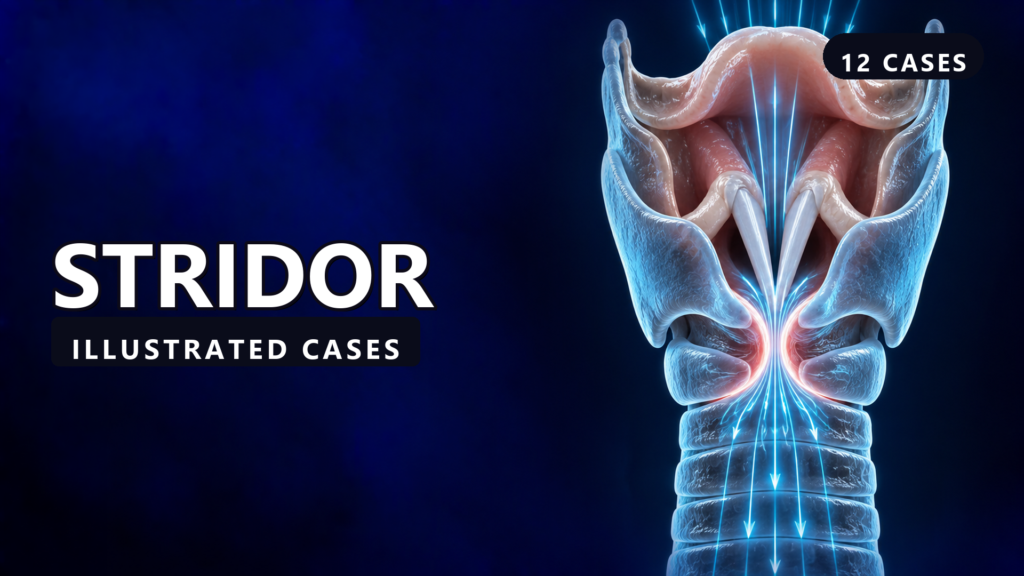
The single most repeated distinction is where the noise is coming from. Stridor is inspiratory and upper airway; wheeze is expiratory and lower airway; and a child with both is obstructed at the thoracic inlet until proven otherwise. Get that right and croup, laryngomalacia, an inhaled foreign body, bronchiolitis and asthma sort themselves out. Get it wrong and the whole stem misleads you.
The second repeated theme is severity, not diagnosis. The exam knows you can name asthma. What it tests is whether you recognise the silent chest, the falling respiratory rate in an exhausted infant, the saturation that does not improve on oxygen, and the child who has stopped fighting — and whether you escalate before the numbers look bad rather than after.
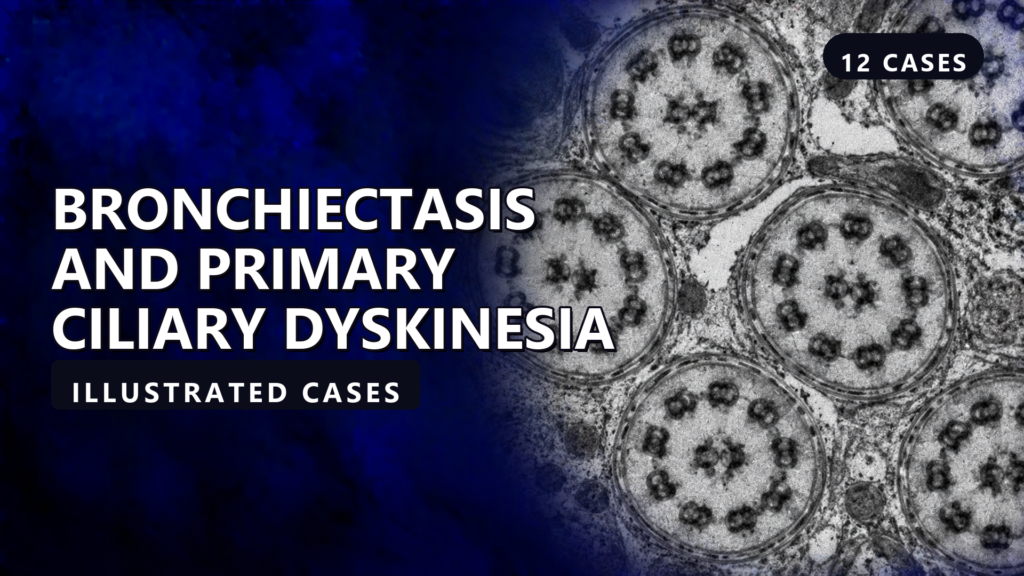
The third is the chronic cough that is not asthma. A wet cough that never clears, poor growth, or clubbing points at cystic fibrosis, primary ciliary dyskinesia or bronchiectasis, and the exam uses a trial of inhaled steroids as the trap answer.
Each deck below is a set of board-format cases with the correct answer and a worked explanation of every wrong option. Blood gas values, oxygen saturations and respiratory rates by age appear throughout — the full set is on the pediatric reference values page, and opens inside each deck with the relevant rows highlighted.